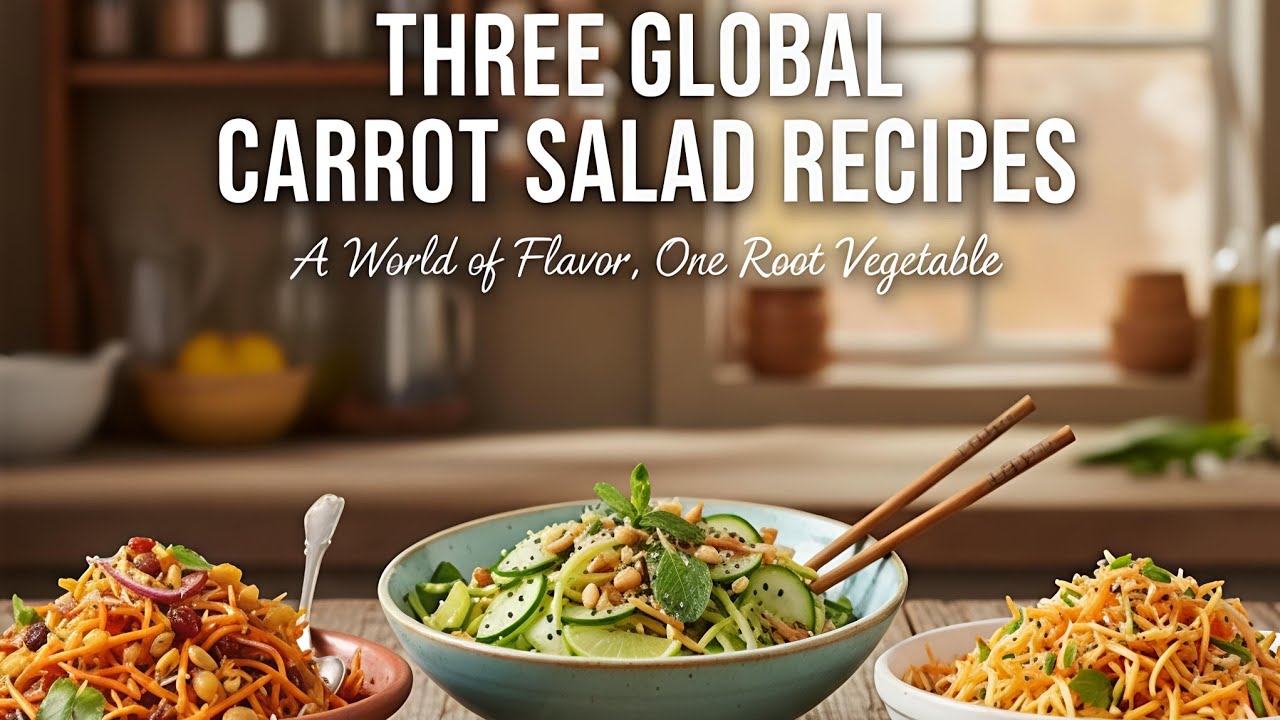
Global Carrot Salad Tour: French Bistros to Korean Tables
Forget everything you thought you knew about
carrot salad. Once perhaps relegated to a bland side dish or a forgotten potluck staple, this vibrant, crunchy classic is making a major comeback, captivating palates across continents. From the sun-drenched streets of Morocco to the bustling bistros of France and the vibrant tables of Korea, the humble carrot transforms into an astonishing array of refreshing, hearty, and utterly irresistible salads. This isn't just a culinary trend; it's a testament to the incredible versatility and timeless appeal of a root vegetable that has nourished and delighted humanity for centuries.
The Humble Beginnings: A Journey Through Time and Taste
The story of
carrot salad begins not in a modern kitchen, but in the ancient landscapes of Central Asia and the Persian Empire around the 10th century AD. Here, carrots, cultivated from wild varieties, were initially valued as much for their medicinal properties as for their culinary potential. As trade routes expanded, so too did the carrot’s influence. By the Roman era, this versatile root vegetable was firmly embedded in European cuisine. Recipes found in the 1st-century AD cookbook, *De Re Coquinaria*, attributed to Apicius, describe carrots cooked and dressed with vinegar, oil, and spices like cumin. These early preparations highlight a key aspect of carrot salad's enduring appeal: the use of acidic elements to not only enhance flavor but also aid in preservation, making carrots a practical and portable dish for Roman military and civilian meals.
As cultivation techniques refined in medieval Middle Eastern cuisine by the 10th century, producing sweeter and more tender carrot varieties, preparations evolved from heavy stews to lighter, dressed forms. This shift paved the way for the fresh, crisp salads we recognize today, setting the stage for the global phenomenon that
carrot salad has become.
A World of Flavors: Regional Carrot Salad Variations
The true magic of
carrot salad lies in its remarkable adaptability, allowing it to absorb and reflect the unique culinary traditions of different cultures. Each region offers a distinct take, transforming simple carrots into a dish that speaks volumes about local ingredients and tastes.
French Carottes Râpées
In France, the
carottes râpées is a quintessential bistro staple, gracing menus and home kitchens since at least the mid-20th century. This elegant yet simple
carrot salad features finely grated raw carrots, offering a delicate texture and natural sweetness. The dressing is typically a bright, tangy Dijon vinaigrette, often enhanced with a squeeze of fresh lemon juice, a hint of mustard, and a generous sprinkle of fresh parsley. It’s a testament to the French philosophy of elevating simple ingredients to sophisticated heights, offering a refreshing counterpoint to richer dishes.
Southern US Carrot-Raisin Salad
Crossing the Atlantic to the Southern United States, we encounter a comfort-food classic: the carrot-raisin salad. Popularized in the 1960s through establishments like Chick-fil-A and deeply rooted in traditional potluck fare, this version combines shredded carrots with plump, sweet raisins. What sets it apart is its creamy, often sweet, mayonnaise-based dressing, which gives it a rich, comforting consistency. It’s a delightful blend of crunchy, sweet, and tangy, evoking nostalgic memories of family gatherings. For those who appreciate classic American comfort, a
Grandma's Classic Carrot Salad: Easy Recipes & Fresh New Twists might be just what you're looking for.
Moroccan Salatat al-Jazar
Venturing into North Africa, Moroccan
salatat al-jazar (carrot salad) offers a warm, aromatic experience. Unlike its raw European and American counterparts, this version often features lightly cooked carrots, which soften their bite and enhance their natural sweetness. The carrots are then dressed in a robust medley of olive oil, fresh garlic, earthy cumin, and a kick of harissa for a distinctive spicy profile. Often served as part of a mezze spread, this
carrot salad is a testament to the region's rich spice traditions and love for bold, layered flavors.
Korean Morkovcha (Koreyskaya Morkov)
Perhaps one of the most intriguing variations is the Korean-inspired
morkovcha, also known as
koreyskaya morkov (Korean carrot). Originating among the Koryo-saram community in the Soviet Union during the 1930s, this dish is a fascinating blend of Korean exile flavors and local adaptations. It typically uses julienned carrots marinated in a pungent mixture of oil, vinegar, garlic, and red pepper flakes. The result is a tangy, spicy, and often slightly fermented crunch that reflects both Korean pickling traditions and the ingredients available in its adopted homeland. It’s a vibrant, piquant dish that highlights the global journey and ingenious adaptations of
carrot salad.
Beyond Tradition: Modern Twists and Personal Touches
The resurgence of
carrot salad isn't just about revisiting classics; it's about reimagining them for the modern palate. Today, chefs and home cooks alike are discovering the incredible potential of this humble vegetable, transforming it into exciting new forms. Whether you're seeking a refreshing dish for a summer BBQ, a lively upgrade to your lunch routine, or a bright, zesty side to balance a hearty dinner,
carrot salad delivers big.
The beauty of
carrot salad lies in its blank canvas appeal. While traditional recipes offer comforting familiarity, the scope for personalizing this dish is immense. Home cooks frequently add their own flourishes:
- Sweetness Boosts: Beyond raisins, consider pineapple chunks for a tropical twist, or shredded apple for a crisp, tart counterpoint. A drizzle of honey or maple syrup can also balance acidity.
- Aromatic Additions: Fresh ginger, finely grated, can introduce a warm, zesty note, particularly complementary to Asian-inspired versions. Cilantro, mint, or dill can replace traditional parsley for different herbaceous dimensions.
- Crunch Factor: Toasted nuts like walnuts, pecans, or almonds, or seeds such as sunflower or pumpkin seeds, provide a satisfying crunch and added nutritional value.
- Textural Variety: While raw grated carrots are standard, some recipes call for lightly cooking or roasting carrots to soften their bite and intensify their natural sweetness. This creates a different mouthfeel, from crisp to tender-chewy.
Modern dressings also extend beyond simple vinaigrettes and mayonnaise-based mixtures. Think about yogurt or tahini-based dressings for a creamy, savory experience, or exotic oil-based concoctions infused with spices like star anise or cardamom for an unexpected twist. The possibilities are truly endless, making it easy to create a
carrot salad that suits any meal or mood. For more creative ideas, explore a
Carrot Salad Renaissance: Reimagining a Classic Side Dish.
Crafting Your Own Carrot Salad Masterpiece: Tips and Tricks
Creating a truly exceptional
carrot salad is both simple and rewarding. With a few key considerations, you can elevate your dish from good to unforgettable.
- Choose Fresh Carrots: The foundation of any great carrot salad is fresh, firm, and vibrant carrots. Look for ones that are free from blemishes and have a rich orange hue. Organic carrots often boast a sweeter, earthier flavor.
- Master Your Cut: The way you prepare your carrots significantly impacts texture. Fine grating (as in carottes râpées) yields a delicate, soft salad. Shredding creates a more robust, toothsome texture. Julienne cuts (like in morkovcha) provide a satisfying crunch and visual appeal. A food processor can make quick work of grating, but hand-grating allows for more control and a slightly irregular, rustic texture.
- Balance Your Dressing: A great dressing harmonizes flavors.
- Acid: Lemon juice, apple cider vinegar, or white wine vinegar brightens the salad and cuts through richness.
- Sweetness: A touch of honey, maple syrup, or even a pinch of sugar can balance acidity, especially when pairing with tart additions like apples or cranberries. Raisins are a classic natural sweetener.
- Savory & Umami: A good quality olive oil, a dash of Dijon mustard, minced garlic, or a sprinkle of herbs like parsley or cilantro provide depth.
- Fat: Olive oil or a mayonnaise base contributes to mouthfeel and helps carry flavors.
- Experiment with Add-ins: Don't be afraid to personalize your salad. Nuts, seeds, dried fruits, fresh herbs, bell peppers, celery, or even a touch of crumbled feta or goat cheese can transform the flavor profile and add exciting textures.
- Consider Marinade Time: While some salads are best dressed just before serving to maintain maximum crispness, others (like morkovcha) benefit from a period of marination. Allowing the carrots to soak in the dressing can tenderize them slightly and deepen the flavors.
- Nutritional Powerhouse: Remember that beyond its delicious taste, carrot salad is a powerhouse of nutrition. Carrots are rich in beta-carotene (which converts to Vitamin A, essential for vision), fiber, and antioxidants, making it an excellent choice for a healthy side dish.
From its ancient origins as a medicinal root to its modern status as a versatile culinary star,
carrot salad has proven its enduring appeal. It's a dish that transcends borders, adapting its flavors and textures to reflect the diverse cultures that embrace it. Whether you prefer the zesty elegance of France, the creamy comfort of the American South, the aromatic warmth of Morocco, or the tangy spice of Korea, there's a carrot salad out there waiting to delight your taste buds. So, next time you see that humble root vegetable, remember the global journey it has taken and consider embarking on your own culinary adventure, creating a carrot salad that’s uniquely yours.